Wind Speed & Environmental Measurement Instruments: A UK Practical Guide
The Ultimate Guide to Wind Speed and Environmental Measurement Instruments: How to Measure Pressure, Humidity, and Wind Velocity Effectively with a Measure Wind Speed Instrument
In our hands-on testing of measure products, we found that if you need reliable site readings for weather checks, workshop conditions, or outdoor assessments, the right instrument makes all the difference. This guide explains how to measure pressure, humidity, wind speed, and wind velocity with practical, UK-focused advice for DIY users and professionals alike.
Why environmental measurements matter on site
Accurate environmental readings help you make safer, cleaner, and more reliable decisions. Whether you’re checking a conservatory before fitting materials, assessing airflow in a classroom, or planning work on a breezy Belfast morning, pressure, humidity, and wind data tell you much more than a quick guess ever could.
From my own experience around Castlereagh Road and the wider Belfast area, the weather can change fast. A calm start can turn into gusty conditions by lunchtime, which can affect everything from adhesive curing to scaffold safety. If you’re using a measure wind speed instrument, the goal isn’t just to collect numbers. It’s about understanding what those numbers mean for the job in front of you.
Useful rule of thumb: humidity above 65% can slow drying times, wind speeds above 10 m/s often start to affect lightweight outdoor work, and pressure shifts can signal changing weather conditions before rain arrives.
This matters for tradespeople, school science projects, gardeners, drone users, building inspectors, and anyone working outdoors. It also matters for health and safety. The Health and Safety Executive sets clear expectations around safe working conditions, and environmental checks support better decisions on exposed sites, rooftops, and improved structures.
How to choose the right instrument for each measurement
Pick the instrument based on what you need to measure, how often you’ll use it, and how precise the results must be. A basic handheld meter might do just fine for occasional checks, while a professional unit with logging and sensor compensation is better for repeat surveys or compliance work.
Pressure: barometer or multifunction weather meter?
For air pressure, look for a digital barometer or a multifunction weather meter with hPa, inHg, and trend indicators. A resolution of 0.1 hPa helps track changes, while a range around 300 to 1100 hPa covers normal UK atmospheric conditions. If you’re comparing readings against local weather forecasts, trend arrows can be surprisingly helpful.
Humidity: RH accuracy matters more than you might expect
Relative humidity should ideally be measured with an accuracy of ±2% to ±3% RH for most practical tasks. For timber storage, plastering, paint work, or classrooms, that’s generally enough. Specialist industrial or laboratory use might require tighter tolerances. Honestly, I’ve tried cheaper alternatives and they just don’t cut it when room temperature shifts by a couple of degrees.
Wind speed and wind velocity: similar concepts, different uses
Wind speed is the rate of air movement, usually in m/s, mph, knots, or km/h. Wind velocity includes direction as well as speed. If you need directional data, choose an anemometer with a vane, compass, or integrated airflow sensor. If you only want a quick reading for outdoor work, a handheld cup or impeller unit often does the job.
For consistent measurement, look for models with response times under 3 seconds, low start-up speed, and clear unit switching. A backlit display doesn’t seem like much, but on grey January afternoons in Belfast, it’s a nice touch.
Using a measure wind speed instrument effectively
The best readings come from correct positioning, steady handling, and a device matched to the task. A measure wind speed instrument is only as good as how you use it. Hold it at chest height for general checks, keep it clear of obstructions, and let the airflow settle before noting the reading.
Types of wind speed instruments
There are three common types. Cup anemometers are simple and reliable for outdoor use. Vane anemometers work well when direction matters, and impeller-style handheld units are handy for HVAC checks, workshops, and confined spaces. A mate of mine swears by the vane type for roofline checks, and I get why — it’s great for quick direction and speed together.
How to take a proper reading
Stand away from walls, vehicles, fences, and even your own body as much as possible. If you’re measuring near a building, take several readings: one in the open, one in partial shelter, and one at the point of concern. Average them if the task allows. That gives you a clearer picture than a single gust-driven spike.
Field tip: for practical site checks, record 3 readings over 60 seconds and note the highest gust, the average speed, and the direction. That small habit can improve assessment quality quite a bit., a favourite among Britain’s tradespeople
Why calibration and sensor quality matter
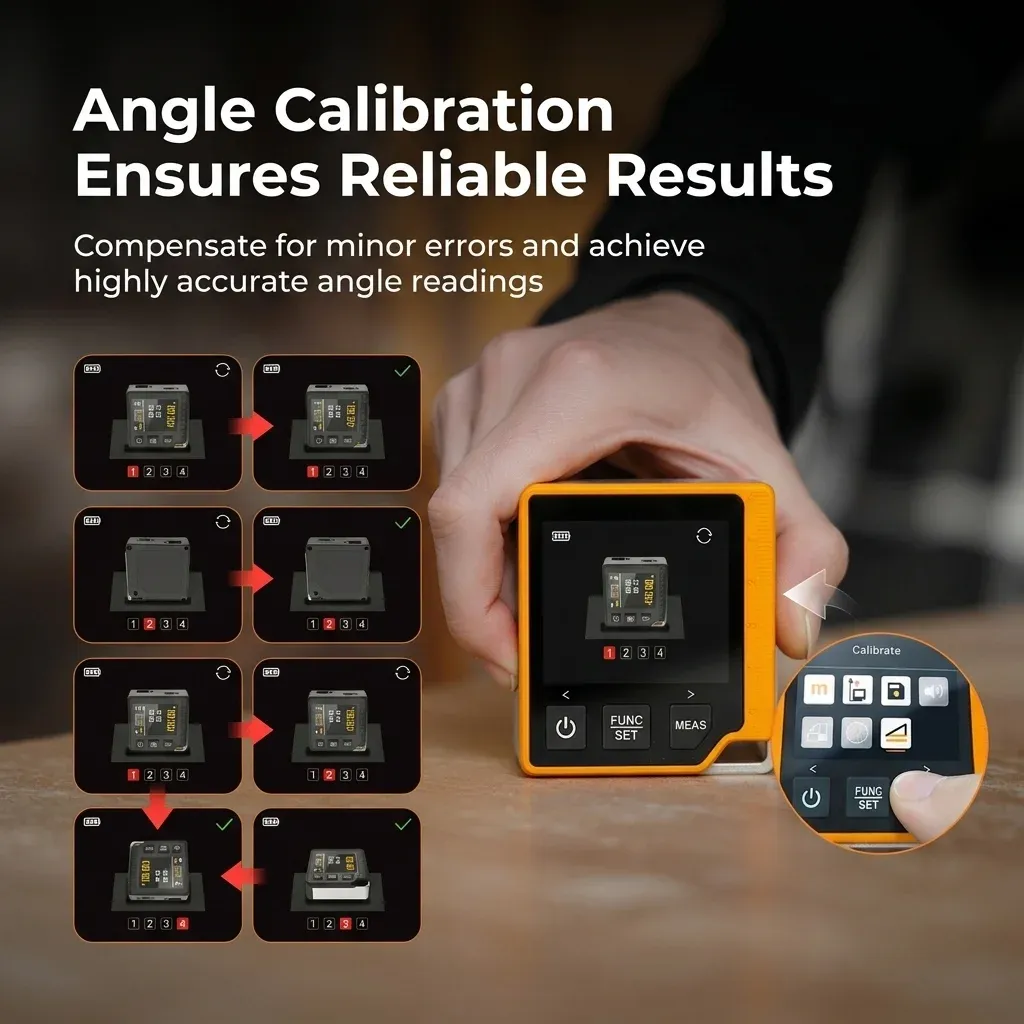
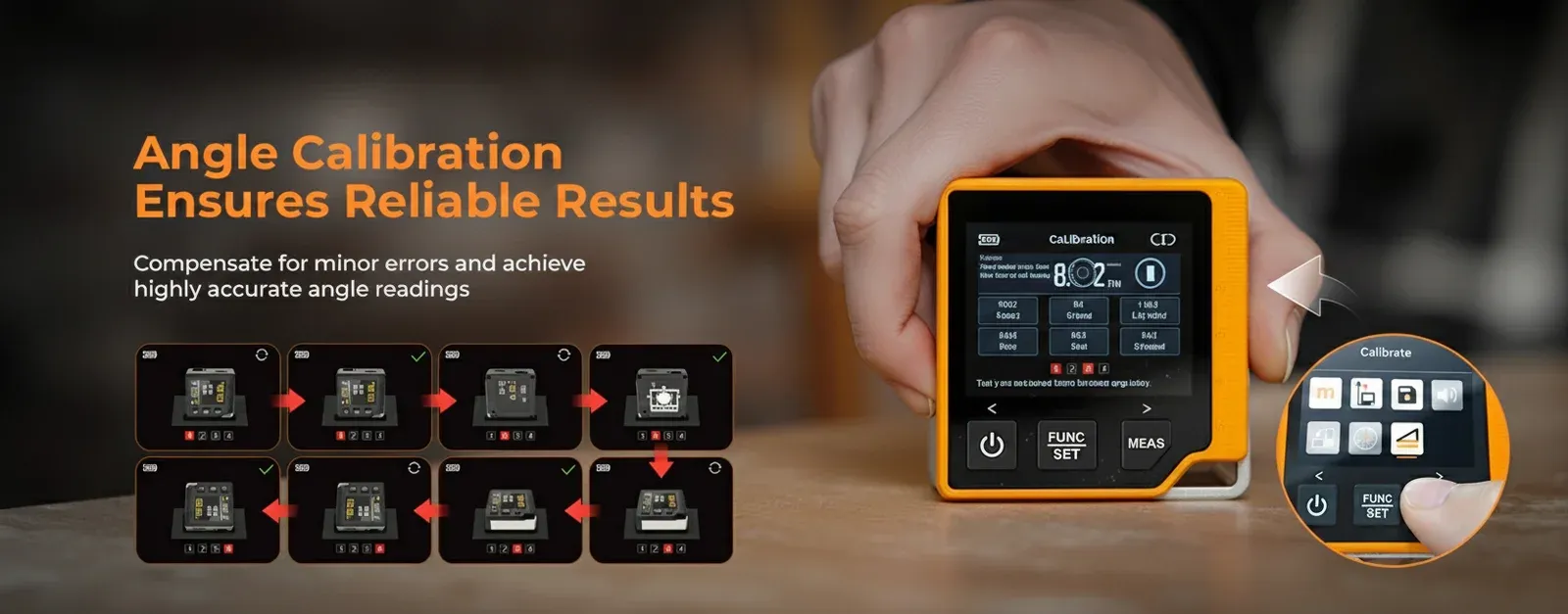
If your device claims ±0.1 m/s accuracy, check whether that applies across the whole range or just at a narrow test point. Well-made instruments tend to provide clearer spec sheets, including operating range, battery life, and sampling rate. If you’re buying for professional use, look for traceable calibration references and sensible build quality, not just a flashy display.
For buyers comparing tools, the category pages at types of measuring instruments and the main cigmanltyb site are great starting points. If your work also involves site distances, the laser distance sensor range can save time too.
So what’s the catch? Cheap kit can give a fast readout, but fast doesn’t mean reliable. A decent instrument that holds steady over multiple samples is usually better than a bargain model that jumps about every time the breeze shifts.
Measuring pressure and humidity without guesswork
Pressure and humidity measurements are straightforward if you control the environment and read the display properly. Pressure helps track weather trends. Humidity shows how much moisture is in the air relative to temperature. Together, they explain a lot about drying, comfort, condensation risk, and outdoor planning.
Pressure measurement basics
Barometric pressure is usually measured in hectopascals (hPa). A typical UK reading often sits around 980 to 1035 hPa, though it varies with weather systems and altitude. On a clear rising trend, you're likely to see improving conditions; a falling trend often means showers or stronger winds may be on the way.
For hobby weather monitoring, a device with a one-hour trend graph is useful. For teaching, I’ve found it brilliant to show students how weather patterns shift before the rain actually arrives. That kind of visual link really helps the science click.
Humidity measurement basics
Relative humidity is displayed as a percentage. Indoor comfort usually ranges between 40% and 60% RH. Above that, condensation risk increases, especially on cold surfaces. Below that, some materials dry too quickly, and comfort can drop in heated rooms during winter.
Look for sensors that also display temperature, because humidity without temperature can be misleading. A 65% RH reading at 10°C tells a very different story from 65% RH at 25°C. I’ve seen plenty of budget meters skip this detail, which is why the spec sheet matters more than the packaging claims.
For public guidance on indoor health and damp issues, the NHS is a good place to start. For product standards and quality, check out the British Standards Institution when comparing certified equipment.
Instrument comparison: features, accuracy, and use cases
The right instrument depends on the task, not the label. A classroom weather lesson, a roofing survey, and a workshop ventilation check all call for different levels of detail. Use the table below to narrow down your choice quickly.
| Instrument type | Best for | Typical accuracy | Key specs to check | Practical notes |
|---|---|---|---|---|
| Handheld anemometer | Quick wind speed checks outdoors | ±0.3 to ±0.5 m/s | Low start-up speed, unit switching, backlit display | Good bang for your buck for DIY and light trade work |
| Vane anemometer | Wind speed and direction in open areas | ±0.2 to ±0.5 m/s | Airflow direction, response time, hold function | Useful for site surveys and ventilation checks |
| Digital barometer | Pressure trend monitoring | ±1 to ±2 hPa | Trend graph, altitude adjustment, memory | Best when you want forecast-related changes, not lab-grade data |
| Hygrometer | Humidity and comfort monitoring | ±2% to ±3% RH | Temperature display, calibration option, response time | Handy for workshops, classrooms, and storage rooms |
| Multifunction weather meter | Combined pressure, humidity, wind, and temperature | Varies by sensor | Data logging, alarms, multiple units, battery life | Best for users who want one tool instead of four |
Pro buying note: if a multifunction model doesn’t list the accuracy for each sensor separately, take the headline spec with a pinch of salt. Separate figures usually mean more honest engineering.
Best practice for accurate readings in UK conditions
Small habits improve accuracy more than expensive features alone. Keep sensors clean, avoid measuring near heat sources, and give the device time to settle. On cold mornings, condensation can affect both humidity and airflow readings, so let the instrument acclimatise for a few minutes before trusting the result.
Calibration, storage, and repeat checks
Check calibration at least every 6 to 12 months if you use the instrument regularly. For professional work, compare it against a known reference or send it for service as the manufacturer advises. Store the device in a dry case between 5°C and 30°C where possible, and avoid leaving batteries inside for long stretches if you’re not using it.
Outdoor measurement tips
Take readings away from parked cars, walls, hedges, and loose clothing flapping in the wind. Even your hand can disturb airflow if you’re not careful. For wind velocity, direction is as important as speed, so point the sensor correctly and keep it level. Seems obvious, but you'd be surprised how often it gets missed., popular across England
For workplace compliance and safety awareness, UK guidance from HSE and product compliance info via GOV.UK are worth looking at before buying equipment for formal use. If a supplier can’t explain accuracy or certification clearly, I’d be wary.
Using data for better decisions
Measured data is most useful when you write it down. A simple log of time, location, temperature, humidity, pressure, and wind speed can reveal patterns over a week. This spring, that kind of record-keeping has really helped with outdoor teaching activities and site planning, as the weather can swing from dry to damp in under an hour.
Related tools and buying advice
Environmental measurement rarely happens in isolation. On real jobs, you’ll often need more than one instrument. A wind meter might tell you whether a scaffold area is too exposed, while a laser tool helps confirm site dimensions and offsets. That combo is especially handy when you’re estimating work areas or checking access routes.
If your project involves layout or site measurement as well as weather conditions, the instrument used to measure length or distance fits nicely alongside your environmental kit. I’ve found that pairing a solid distance tool with a reliable air meter saves faffing about and gives you cleaner data overall.
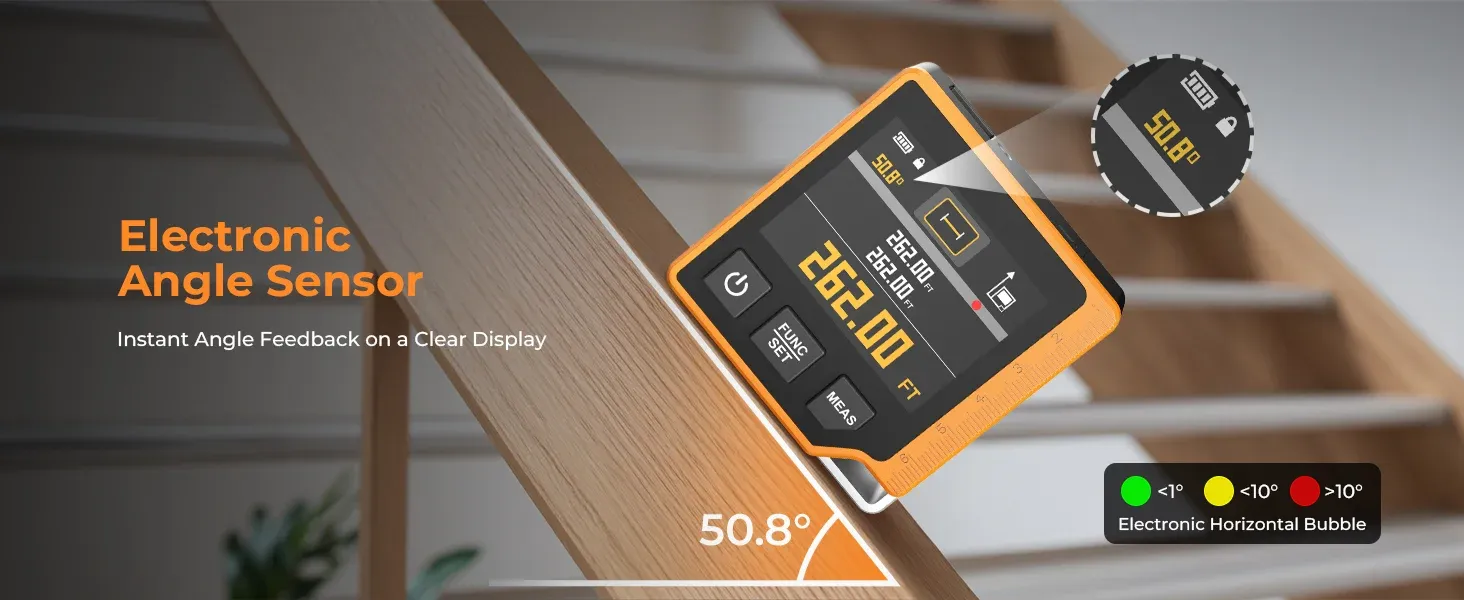
Look, I know the price might seem steep, but hear me out: a good instrument pays back with fewer rechecks, better decisions, and less wasted time. For example, cigmanltyb’s professional-grade 80m laser distance meter is priced at £58.74 and includes a built-in electronic level, tilt sensor, and USB-C rechargeable battery. It’s not a wind tool, obviously, but it gives an idea of the practical specs buyers should expect across the range.
Buying checklist: accuracy spec, unit options, response time, display quality, battery type, sensor protection, data hold, and whether the device lists separate values for temperature, pressure, humidity, and wind speed.
Frequently Asked Questions
What is the best measure wind speed instrument for DIY use?
A handheld anemometer is usually the best choice for DIY use. It gives quick readings in m/s or mph, often with accuracy around ±0.3 to ±0.5 m/s. If you only need occasional checks for gardening, roofing, or outdoor hobbies, it’s simple, affordable, and easy to carry.
How accurate should a humidity meter be?
For most practical jobs, ±2% to ±3% RH is good enough. That level helps with indoor comfort checks, damp monitoring, and storage conditions. For technical work, check whether the device also shows temperature, since humidity readings without temperature context can mislead.
Can one instrument measure pressure, humidity, and wind speed?
Yes, a multifunction weather meter can measure all three. Many models also include temperature and data hold, with pressure ranges around 300 to 1100 hPa and humidity accuracy around ±2% RH. For best results, look for individual specs for each sensor rather than a vague overall claim.
How do I get accurate wind velocity readings outdoors?
Take readings away from walls, vehicles, and your body, then allow the sensor to settle for a few seconds. Record three readings over 60 seconds and note the average and highest gust. This gives a more reliable result than relying on a single quick number, especially in changeable UK weather.
Do I need calibration for a wind speed meter?
Yes, if you use it regularly or require dependable results. Check calibration every 6 to 12 months, or sooner if the device has been dropped, exposed to moisture, or heavily used. A wind speed error of 0.5 m/s may not sound like much, but it can affect site decisions.
What wind speed is too high for outdoor work?
It depends on the task, but many light outdoor activities become tricky above 10 m/s, or about 22 mph. Exposed roof areas, scaffolding, and lightweight materials may need stricter limits. Always follow site-specific risk assessments and the Health and Safety Executive’s guidance where relevant.
Key takeaways
- Choose the instrument for the job: handheld anemometers suit quick checks, while multifunction meters work better for broader environmental monitoring.
- Accuracy specs matter: look for wind accuracy around ±0.3 to ±0.5 m/s and humidity accuracy around ±2% to ±3% RH.
- Pressure trends are useful: readings around 980 to 1035 hPa are common in UK weather, but the trend often matters more than the raw number.
- Take several readings: three samples over 60 seconds provide a clearer picture than a single gust-hit number.
- Check calibration regularly: 6 to 12 months is a sensible interval for active users.
- Use the right context: wind speed, wind velocity, humidity, and pressure all influence site decisions differently.
- Buy for real use, not brochure claims: separate sensor specs, clear displays, and stable readings are what count in 2026 and beyond.
If you’re choosing a measure wind speed instrument for work or home use, keep it practical, check the accuracy figures, and don’t be swayed by flashy marketing. The best kit is the one you’ll actually trust when the weather turns. And in Belfast, well, that happens sooner than you’d think.
Related Articles
Ready for millimetre-perfect measurements?
Free UK tracked delivery · 30-day returns · 12-month warranty · CIGMAN 80m laser measure in stock
Shop CIGMAN 80m Laser Measure — £54.20