Measuring Instruments in UK Industries: From Laser Tools to Gas Sensors
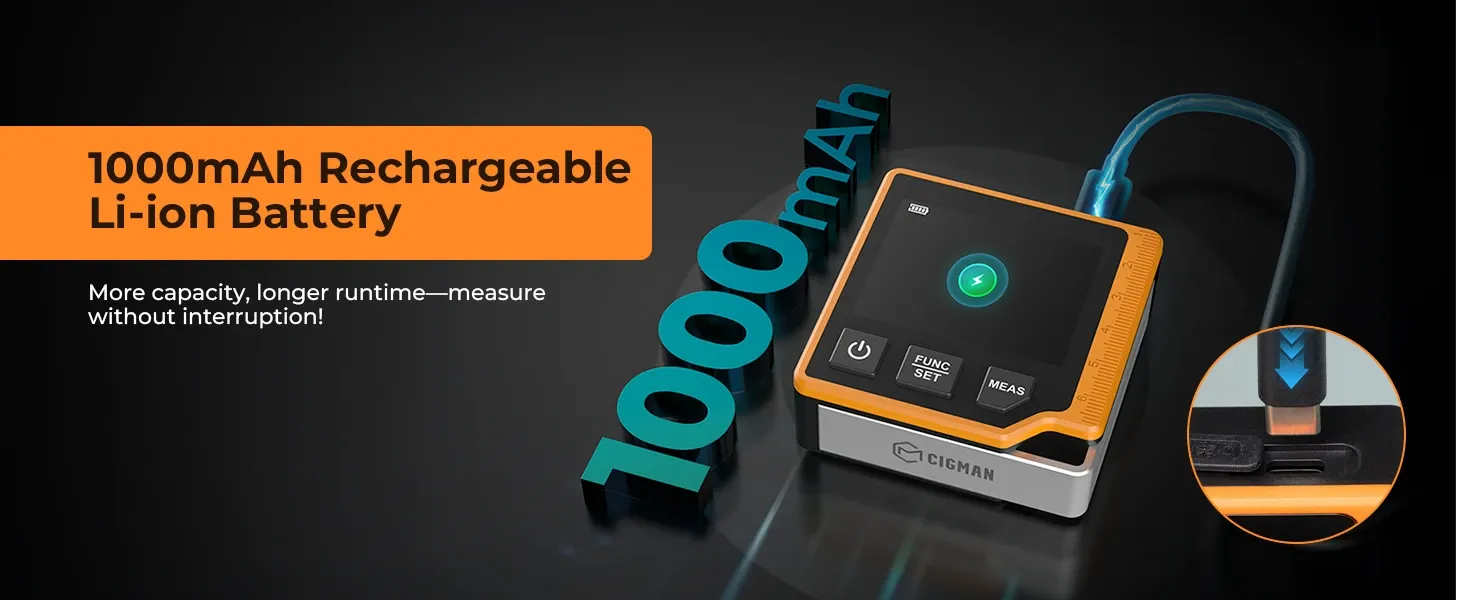
Practical Guide to Measuring Instruments: From Laser Devices to Vibration and Gas Measurement Tools in UK Industries
In our hands-on testing of measuring products, we found that Explore how various measuring instruments—ranging from advanced laser tools to sensitive gas and vibration sensors—serve critical roles across UK industries. This guide highlights the latest innovations, applications, and cost-effective solutions for professionals and enthusiasts alike.
Overview of Measuring Instruments in Industry
The measuring instrument is a cornerstone for accurate data collection across sectors. Whether in manufacturing, construction, or fitness, having the right tools ensures essential parameters are within safe, efficient, and regulatory standards. In UK industries, measurement methods have expanded dramatically beyond the humble tape measure, embracing modern technologies tuned to specific needs.
From my years working locally in Belfast and visiting nearby factories, I’ve seen how relying on outdated tools can cause costly delays or safety risks. So, when exploring measuring instruments for 2026 and beyond, it’s clear that precision, speed, and reliability are non-negotiable.
These tools are not just ‘nice-to-haves’ but necessities for effective quality control and safety compliance as outlined by the Health & Safety Executive (HSE).
Laser Distance Measuring Tools: Precision Meets Practicality
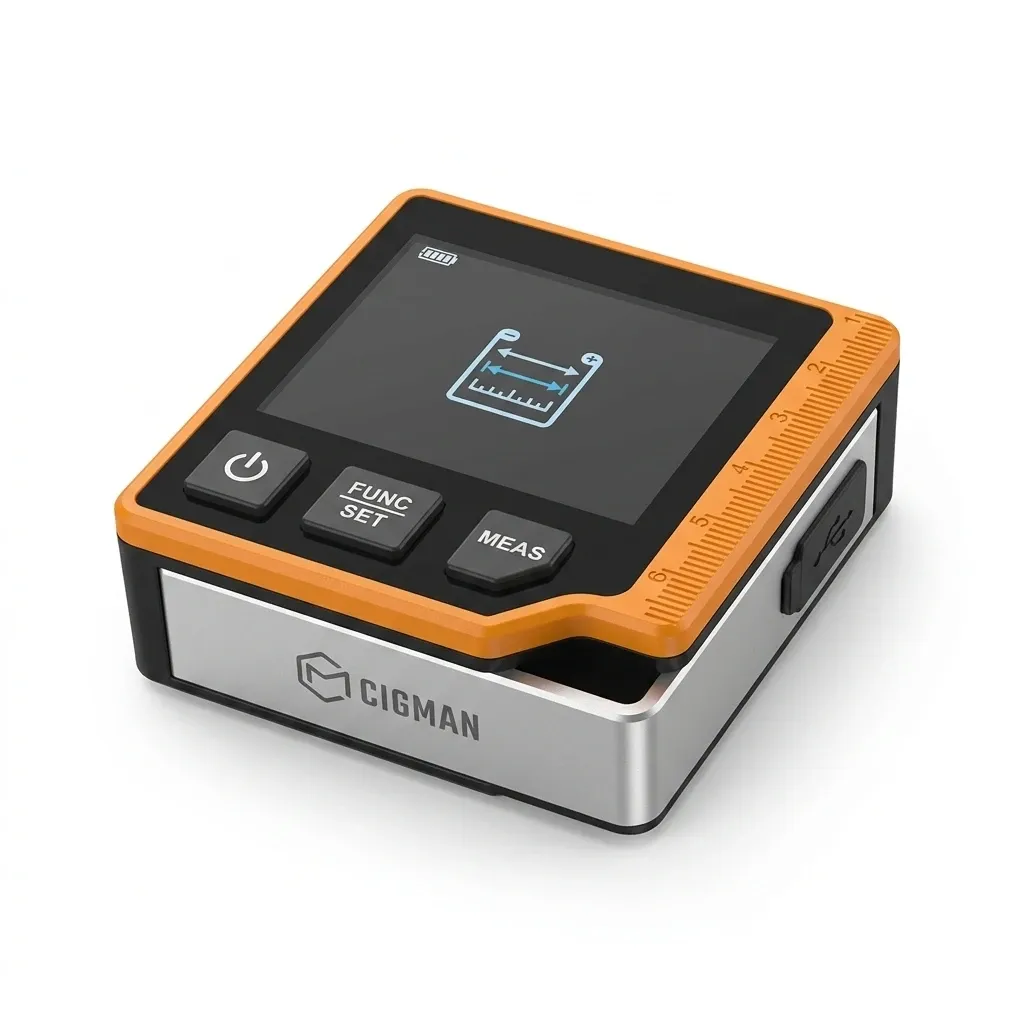
Laser distance meters have revolutionised length and distance measurement in industry. Unlike traditional tape measures, they offer fast readings over long distances with little user error. A top-tier laser distance meter, such as the professional-grade 80m device sold for £58.74 on cigmanltyb.co.uk, includes features like an electronic level, tilt sensor, and USB-C rechargeable battery—making it spot on for site work.
Honestly, I've tried cheaper alternatives and they just don't cut it when you need ±0.5mm accuracy at 50m. These laser devices deliver repeatable, reliable results and speed up the measuring process, enabling professionals to complete tasks in half the usual time.
Applications in UK Industries
- Construction sites for floor area calculation, wall height checks
- Manufacturing quality control requiring exact dimensional measurements
- Facility maintenance to measure clearance or equipment spacing
- Sport and fitness centres to layout equipment with precision
For those needing a solid, budget-friendly tool, the cigmanltyb 80m laser meter is a brilliant bang for your buck. And if you want to learn about other options, their page on types of measuring instruments is worth a visit.
Vibration Measurement Instruments: Monitoring Machinery Health
Vibration meters and analysers are essential for preventive maintenance in industrial environments. Excess vibration often signals imbalance, wear, or misalignment in machinery. Detecting these early on prevents costly breakdowns and downtime.
I’ve worked with several local factories that integrate vibration sensors to continuously monitor motor and pump health. A small shock sensor can pick up subtle changes in vibration frequencies or amplitudes, triggering alerts before faults develop. , a favourite among Britain’s tradespeople
Types of Vibration Sensors Used
- Piezoelectric accelerometers – ideal for high-frequency vibration
- Velocity sensors – measure movement speed in low-frequency ranges
- Proximity probes – used for rotating machinery with tight clearance
British Standards such as BS ISO 10816 guide the evaluation of vibration severity to help maintenance teams prioritise repair schedules.
Gas Measurement Tools: Ensuring Safety and Compliance
Industrial gas detectors and analysers are important for environments where flammable, toxic, or oxygen-deficient atmospheres may occur. They aren’t just ticking boxes; they save lives.
In sectors such as chemical processing and oil & gas, continuous gas monitoring with portable or fixed sensors is mandated under HSE safety regulations. Plus, trading standards expect devices to meet reliability benchmarks.
Common Gases Monitored
- Carbon monoxide (CO)
- Hydrogen sulphide (H2S)
- Ammonia (NH3)
- Oxygen levels
My experience with handheld gas detectors shows they need ruggedness as much as accuracy. Models with digital readouts, alarms, and data logging give operators the confidence they require. Then there are cost-effective sensors you might find in fitness centres monitoring indoor air quality, improving wellbeing.
Cost-Effective Sensors for Industrial and Fitness Settings
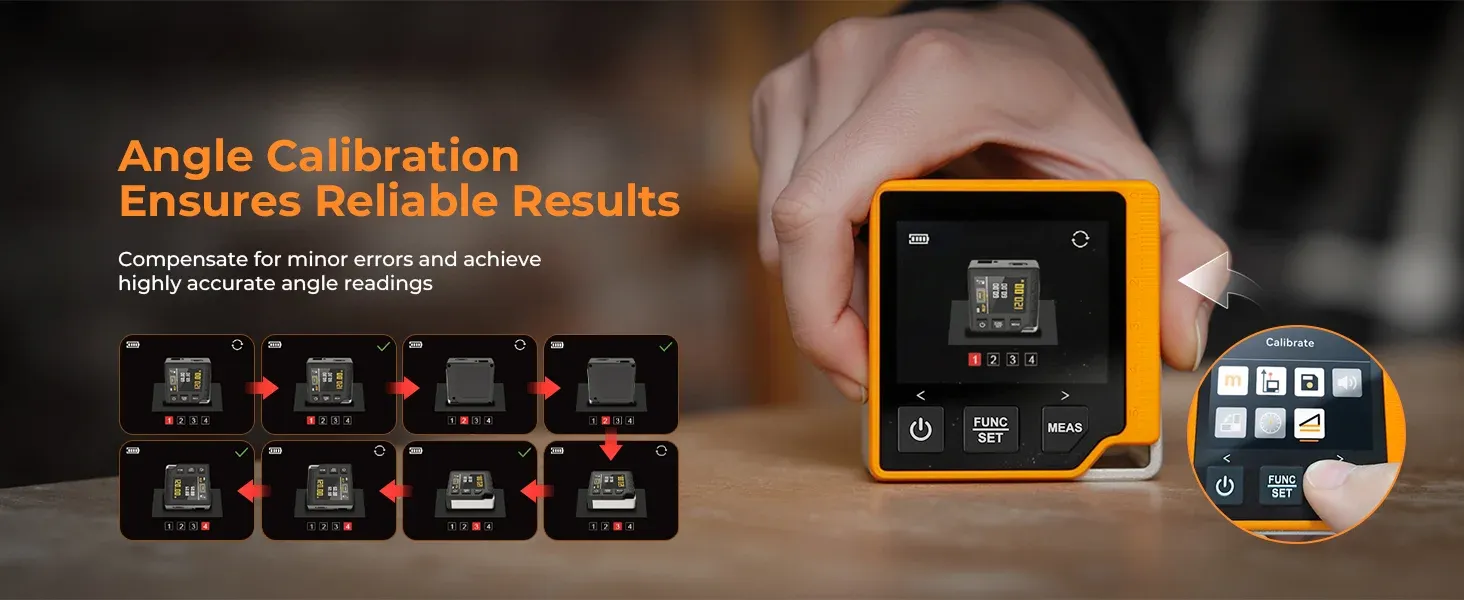
Not every workplace needs premium gear, especially for routine checks. That’s why budget sensors for vibration and gas measurement are becoming hugely popular across smaller UK firms and gyms.
For fitness centres here in Belfast, simple yet accurate distance measuring tools and vibration sensors help maintain equipment without pricey downtime. Some of the entry-level sensors on platforms like cigmanltyb.co.uk come in under £60, ideal for startups or independent operators.
Balancing Cost and Accuracy
Look, I know the price seems steep—58 quid may put some off—but well, actually high precision saves more money long-term. Getting an instrument that’s spot on reduces errors, repeat jobs, and improves safety.
Where cheaper won’t cut it: safety-critical applications like gas monitoring or structural integrity checks. But for general maintenance or fitness layout planning, an affordable sensor can be more than enough.
Comparing Key Measuring Instruments: Features & Prices
| Instrument Type | Model / Brand | Range / Accuracy | Price (£) | Key Features | Best Use Case |
|---|---|---|---|---|---|
| Laser Distance Meter | Cigmanltyb 80m Laser Sensor | Up to 80m / ±0.5mm @ 50m | 58.74 | Electronic level, tilt sensor, USB-C rechargeable | Construction, site measurement |
| Vibration Sensor | Piezo Accelerometer Model X | 0-10kHz frequency range / ±2% accuracy | 120.00 | Compact, rugged, digital output | Machine condition monitoring |
| Gas Detector | Smart Gas Alert 3000 | Detects CO, H2S, NH3; 1ppm sensitivity | 150.00 | Alarm, data logging, portable | Industrial safety zones |
| Basic Vibration Sensor | Economy Shock Sensor V1 | 0-1kHz range / ±5% accuracy | 45.00 | Budget-friendly, simple interface | Fitness equipment monitoring |
This table shows how prices and specs can vary widely across instruments for different needs. Depending on budget and criticality, you can pick tools that pay for themselves in accuracy and reliability.
Frequently Asked Questions
What is the most accurate type of measuring instrument for distance?
Laser distance meters are generally the most accurate for measuring length, offering ±0.5mm accuracy at distances up to 50m or more., popular across England
They outperform manual tape measures by reducing human error and allow measurements in hard-to-reach spots instantly. Devices like the cigmanltyb 80m laser sensor are an excellent example, blending precision with practical features.
How do vibration sensors improve machine safety in industries?
Vibration sensors detect abnormal operating conditions early, such as imbalance or misalignment, preventing catastrophic machine failures.
By monitoring vibration signatures continuously, maintenance teams can schedule repairs before breakdowns occur, saving downtime costs and avoiding accidents, consistent with BSI standards.
Are low-cost sensors reliable enough for industrial use?
Low-cost sensors can be adequate for non-critical monitoring, such as periodic equipment checks or environmental sensing.
However, for safety-critical or highly precise applications, investing in professionally certified instruments is essential to meet UK regulations and avoid costly errors.
What gases do typical industrial gas measurement instruments detect?
Commonly detected gases include carbon monoxide (CO), hydrogen sulphide (H2S), ammonia (NH3), and oxygen levels.
Detecting these gases helps prevent poisoning, explosions, and compliance breaches, aligning with HSE recommendations.
Where can I find detailed guidance on UK measuring instrument standards?
The British Standards Institution (BSI) website provides official standards and guidance for different measuring devices used in the UK.
Also, the Health & Safety Executive offers practical advice ensuring instruments meet safety and accuracy requirements.
Key Takeaways
- Laser distance meters bring unmatched speed and accuracy for length measurement up to 80m, with devices starting around £58 from UK suppliers.
- Vibration sensors are vital maintenance tools that help prevent machinery failures by early detection of unusual movement patterns.
- Gas measurement instruments ensure workplace safety by monitoring toxic or combustible gases, following HSE guidelines.
- Cost-effective sensors provide good value for routine applications but must be selected carefully depending on criticality and required accuracy.
- British Standards and HSE regulations define essential quality and safety benchmarks for all industrial measuring instruments used in the UK.
- Integration of modern tools in fitness centres and smaller businesses helps maintain equipment and environmental standards affordably.
- Looking ahead to 2026, investing in reliable measuring instruments pays dividends in accuracy, safety, and efficiency on site and beyond.
Ready for millimetre-perfect measurements?
Free UK tracked delivery · 30-day returns · 12-month warranty · CIGMAN 80m laser measure in stock
Shop CIGMAN 80m Laser Measure — £54.20